


The Educational Needs Of A Kindergarten Class
- Ngechent

- Nov 9, 2023
- 3 min read
The Educational Needs Of A Kindergarten Class
https://nwufortherese.education/wp-content/uploads/2023/11/The-Educational-Needs-Of-A-Kindergarden-Class-1.mp3
https://v1.cdnpk.net/videvo_files/video/free/video0537/large_watermarked/_import_62ff37dcdb6960.32811800_FPpreview.mp4
The educational needs of a Kindergarten class are usually centered around facilitating early childhood development, providing a safe and supportive environment, and promoting growth in various areas. Here are some common needs for a Kindergarten class:1. Curriculum and lesson plans: Kindergarten classrooms require an age-appropriate curriculum that focuses on introducing basic skills such as reading, writing, math, and social interaction. The curriculum should be engaging and include hands-on activities to promote learning through play.
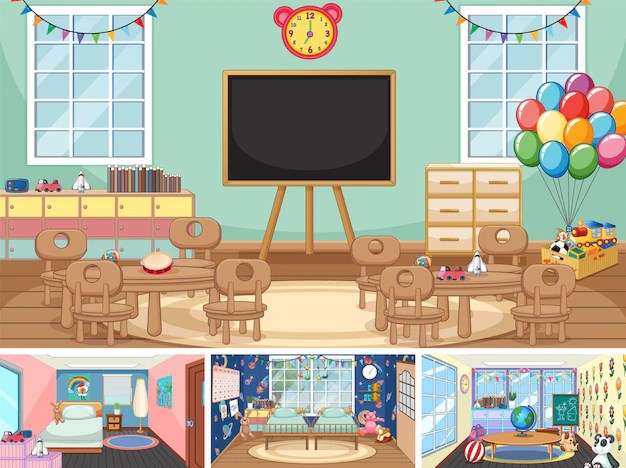
The Educational Needs Of A Kindergarden Class
2. Classroom resources: Kindergarteners benefit from a wide variety of learning materials, including books, art supplies, educational games, puzzles, manipulatives, and multimedia resources. These resources help in reinforcing concepts and engaging children in different ways.3. Safe and nurturing environment: Creating a safe and nurturing environment is essential to support the emotional and social development of Kindergarten children. This includes having age-appropriate furniture, childproofing measures, and a positive classroom culture that encourages kindness, respect, and inclusivity.
4. Health and safety measures: Kindergarten classrooms should have proper health and safety protocols in place. This includes ensuring cleanliness, adequate ventilation, proper hygiene routines, and supervised outdoor play areas. Teachers should also be trained in first aid and emergency response procedures.5. Differentiated instruction: Each child is unique and may have different learning needs. Kindergarten teachers should be equipped to provide individualized attention and adapt the curriculum to accommodate diverse learning styles. Small group activities and one-on-one support can help address these individual needs effectively.6. Collaboration with parents: Strong communication and partnership with parents are crucial in supporting a child’s development. Kindergarten classes should have systems in place to regularly communicate with parents, share updates on a child’s progress, and involve them in their child’s learning journey.
https://v4.cdnpk.net/videvo_files/video/free/video0476/large_watermarked/_import_623170d59cfec7.96018119_FPpreview.mp4
7. Professional development for teachers: Kindergarten teachers should receive ongoing professional development and training to stay updated with the latest research and best practices in early childhood education. This helps them effectively meet the evolving needs of their students.Remember, these are general needs, and specific requirements may vary depending on the school’s philosophy, cultural context, and the needs of the individual students in the class.
Here’s a suggested content layout for a Kindergarten class:I. Introduction– Welcome message– Class expectations and rules
https://v1.cdnpk.net/videvo_files/video/free/video0538/large_watermarked/_import_6304ab0fe726d3.06671297_FPpreview.mp4
II. Daily Routine– Morning circle time: Greeting, weather, calendar– Morning activities: Singing, movement, warm-up exercises– Learning centers: Rotations for different activities (e.g., literacy, math, art)– Snack time: Healthy snacks and social interaction– Outdoor play: Physical activities, games, and exploration– Storytime: Read-aloud sessions to foster a love for reading– Rest time: Quiet activities or nap time for rejuvenation– Music and movement: Songs, dance, and rhythm activities– Closing circle: Reflections, sharing, and goodbye
https://v4.cdnpk.net/videvo_files/video/free/video0476/large_watermarked/_import_6231707e4a3738.32408629_FPpreview.mp4
III. Curriculum Themes– Alphabet and phonics: Introduction to letters and sounds– Numbers and counting: Learning numbers, basic math concepts– Shapes and colors: Identification and exploration– Science and nature: Basic science concepts and nature exploration– Social studies: Community, holidays, and cultures– Creativity and art: Art projects, crafts, and imaginative play– Gross motor skills: Physical activities, coordination, and balance– Fine motor skills: Writing, cutting, and manipulative activities
https://v4.cdnpk.net/videvo_files/video/free/video0476/large_watermarked/_import_6232c87ba57aa0.86214738_FPpreview.mp4
IV. Assessments and Progress– Individualized assessments of each child’s progress– Progress reports and parent-teacher conferences– Strategies for supporting each child’s developmentV. Parent Involvement– Communication with parents: Newsletters, emails, or online platforms– Parent-teacher meetings: Sharing progress and discussing concerns– Volunteering opportunities: Classroom help or special events– Family engagement activities: Workshops, family nights, and celebrations
https://v4.cdnpk.net/videvo_files/video/free/video0482/large_watermarked/_import_629d9da28f07f3.30436417_FPpreview.mp4
Educational needs of a Kindergarten classVI. Classroom Resources– List of learning materials and resources used in the class– Recommended reading list for children and parents =– Educational apps, websites, or online resources for home learning, e.g
VII. Health and Safety– Classroom hygiene practices: Handwashing, sanitization, and clean-up routines– Health and first aid: Policies, emergency procedures, and contact information– Outdoor safety: Playground rules, sun protection, and supervision
https://v1.cdnpk.net/videvo_files/video/free/video0537/large_watermarked/_import_62ff35f487e5d1.90646121_FPpreview.mp4
VIII. Professional Development– Opportunities for teacher professional development– Workshops, conferences, or further education in early childhood educationA great Animal Photo Book for Kindergartens.


Comments